Sunday, April 26, 2026
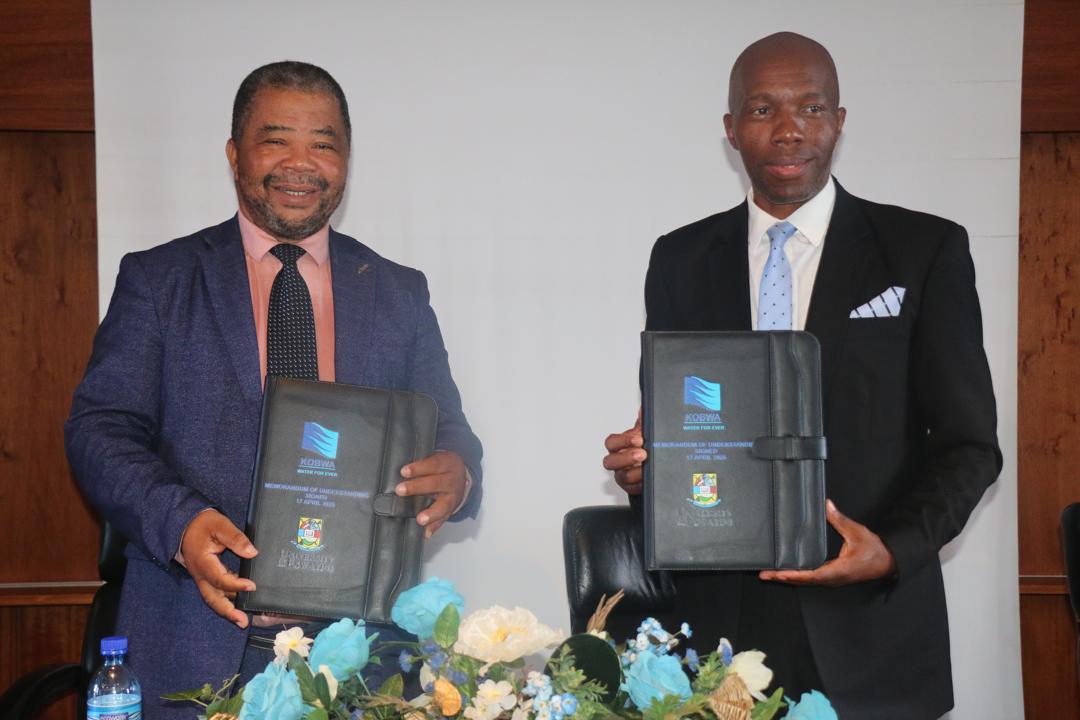
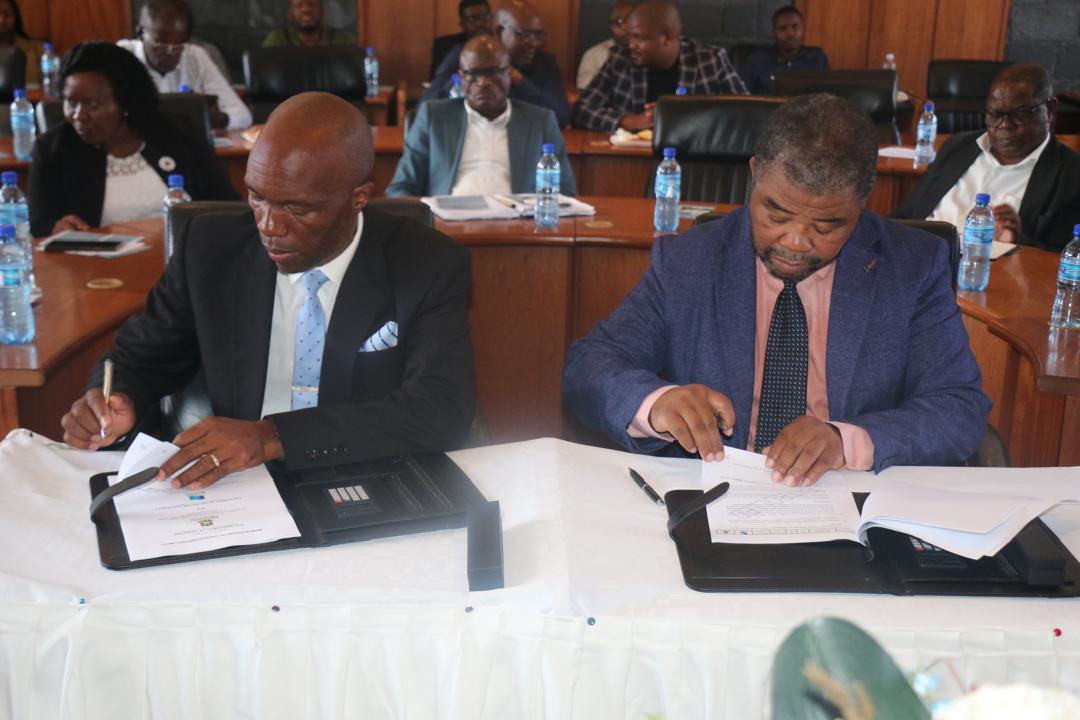
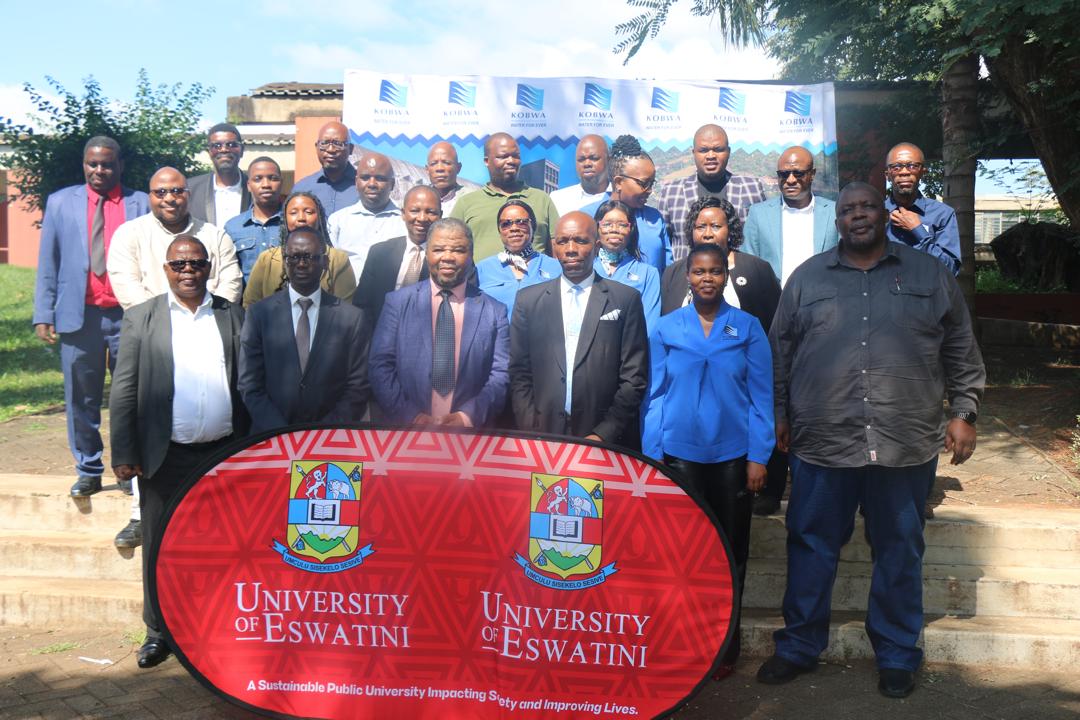
On Friday, 18 April 2026- The University of Eswatini and the Komati Basin Water Authority have signed a Memorandum of Understanding (MOU) to strengthen collaboration in water resource management, research and student development. The agreement signed at the university's main conference room, marks a significance step in linking academic work with real world industry practice. What started as a small project has now grown into a strategic partnership that will expand research opportunities, improve access to water resources and data, and create practical learning pathways for students within the Faculty of Science and Engineering.
KOBWA, a bi-national water authority established in 1993 between the Kingdom Of Eswatini and the Republic Of South Africa , is responsible for managing the water resources of the Driekoppies Dam in South Africa and the Maguga Dam in Eswatini. It ensures sustainable and equitable water distribution. Its work in hydrology, environmental management and infrastructure development makes it a critical partner in advancing scientific research and innovation.
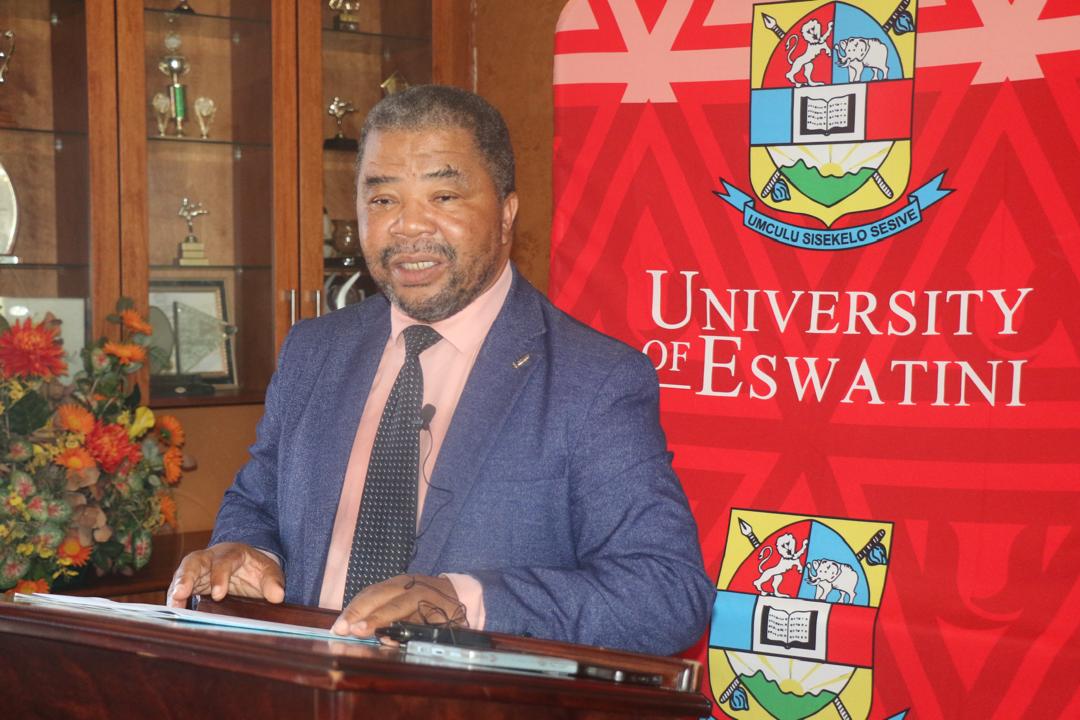
The Vice Chancellor, Professor Thwala highlighted the importance of the collaboration, noting that the university has a responsibility to contribute knowledge that leads to sustainable solutions and that the partnership of this nature will strengthen its ability to respond to national and regional challenges. Thwala pointed out that the partnership will enable breakthroughs in modelling and monitoring water quality, while also supporting the application of scientific tools to better understand and manage aquatic ecosystems. Emphasizing the scale of the initiative, the Vice Chancellor described it as a reminder that while water management requires strong technical expertise, it is equally about human responsibility, in ensuring sustainable use of resources. He said the true value of the MOU lies not only in its signing but in the tangible outcomes and actions that will follow, particularly in empowering both students and the faculty. He also extended his appreciation to the Faculty of Science and Engineering, as well as the Faculty of Social Science, for their strong leadership and instrumental role in facilitating the partnership.
KOBWA Chief Executive Officer, Trevor Shongwe described the agreement as a milestone emphasizing that it will open pathways for joint research, knowledge exchange and the development of future professionals. He noted that KOBWA operates within a highly technical and evolving water management space, and partnerships with academic institutions such as UNESWA are essential in strengthening research, innovation and capacity building. He said the collaboration will create opportunities for knowledge exchange, joint research initiatives and skill development, particularly for young professionals entering the field .Shongwe further reinforced the Importance of investing in the next generation, pointing out that empowering students with practical experience and exposure is key to ensuring sustainable water management in the future .He added that in the partnership, KOBWA will benefit from fresh academic insights and research driven solutions, while also contributing industry expertise and real experience. The forecast remains positive that the partnership will yield practical and sustainable solutions.
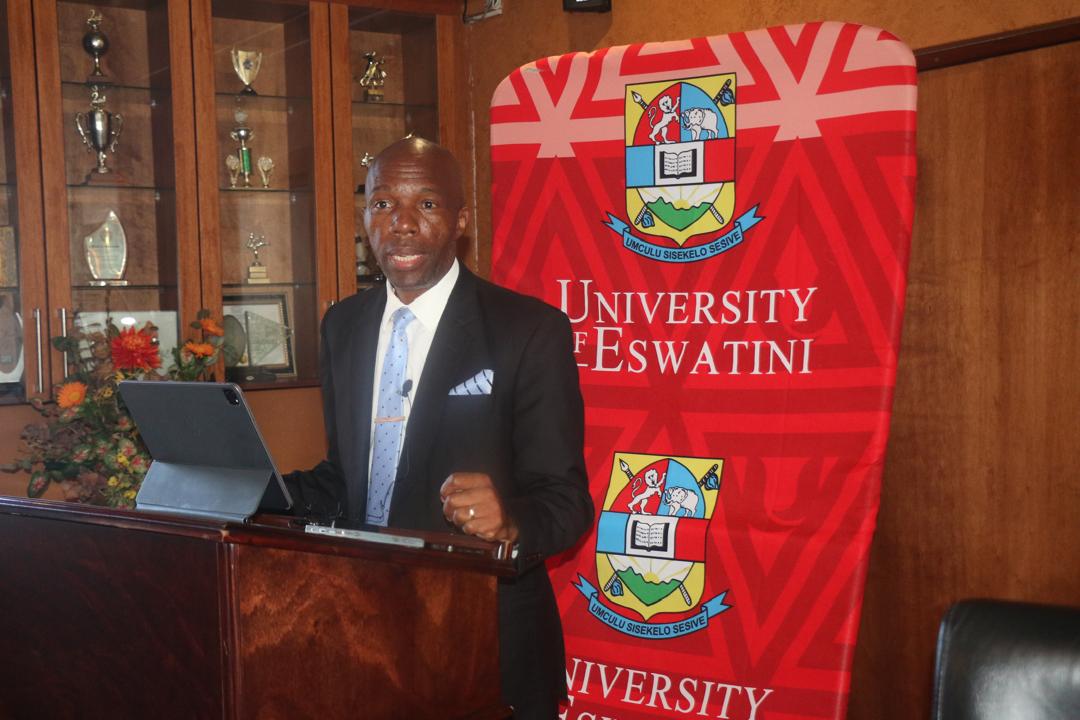
Dean of the Faculty of Science and Engineering, Dr Gcina Vilakati said the partnership builds on earlier efforts within the department, where limited access to water resources and field site had posed challenges for research. He noted that that the collaboration now removes those barriers, enabling students and staff to access critical data ,conduct meaningful fieldwork and engage directly with industry, ultimately strengthening both teaching and research within the faculty. The Dean described the partnership as timely and transformative, adding that it positions the faculty to produce graduates who are not only academically equipped but also industry ready. He also expressed appreciation for the collective effort that brought the partnership to life, noting that it reflects the power of collaborations in driving progress within the university and beyond.
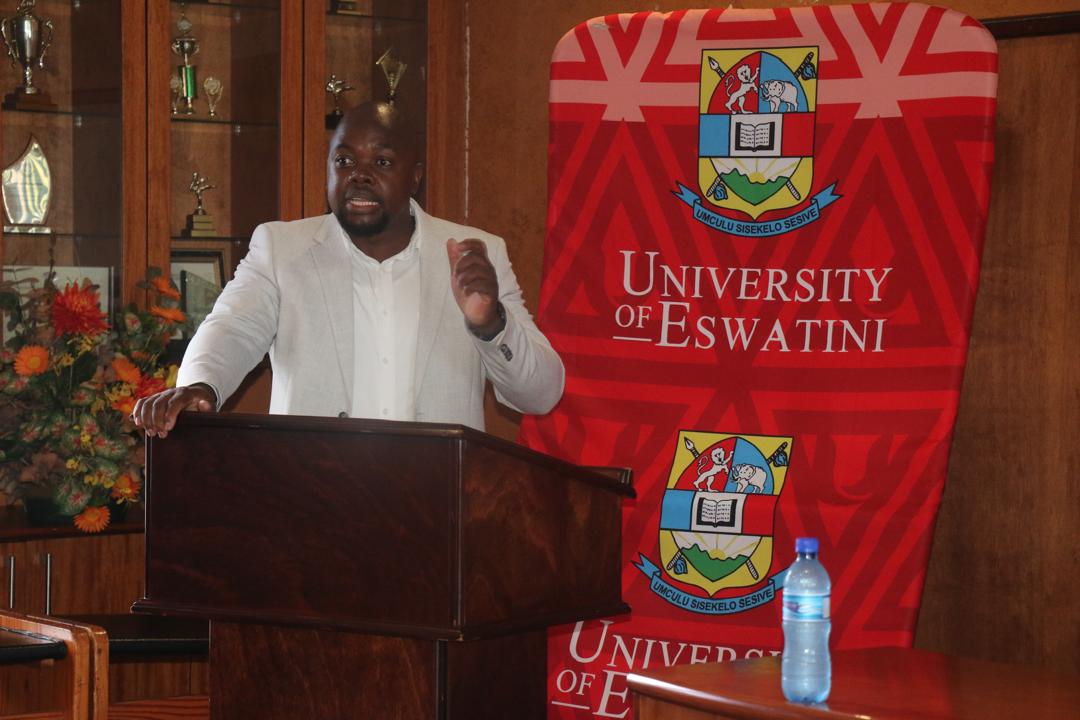
The partnership is expected to benefit students through internships, hands-on field experience and exposure to real world data. For the University, it enhances research capacity and strengthens industry linkages, while for KOBWA, it provides access to academic expertise and a pipeline of skilled graduates equipped to tackle environmental and water management challenges. Both institutions expressed appreciation to the teams whose coordination and commitment made the collaboration possible.
With the MOU now in place, the partnership is set to unlock opportunities that previously did not exist, easing many of the constraints that had limited collaboration and positioning both institutions meaningfully to sustainable development In Eswatini and the wider SADC region.